
Watermelon is a favorite summer treat!
What’s On The Menu
Friendly, practical chicken-feeding notes for happier hens and better eggs.
Daily feed
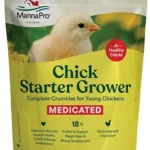
Chicks need starter-grower feed because it provides the concentrated nutrition required for rapid growth and development:
- Higher protein: Builds muscles, feathers, organs, and bones.
- Balanced vitamins and minerals: Supports immunity, nerves, and healthy development.
- Appropriate energy: Helps chicks grow without relying on unsuitable adult-layer feed.
- Correct calcium level: Starter-grower feed has less calcium than layer feed, protecting developing kidneys and bones.
Feed starter to young chicks according to the product label, often until about 6–8 weeks, then switch to grower feed if your product separates those stages. Avoid giving chicks layer feed, which contains excessive calcium for them.
Grit and Calcium
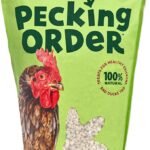
Laying hens need significantly more calcium than roosters, chicks, or non-laying hens.
Provide a complete poultry feed; for laying hens, offer oyster shell or another poultry-specific calcium source separately, with fresh water always available.
Too little calcium can cause thin or soft eggshells, weak bones, poor growth, and health problems.
Sources of calcium
Oyster shell: The best free-choice source for laying hens.
Crushed, baked eggshells: Rinse, dry, bake, and crush them finely so chickens do not associate them with whole eggs. Commercial poultry calcium supplements: Follow the product label.
Complete layer feed: Usually supplies the calcium adult laying hens need.Keep grit and oyster shell separate in different containers. Grit helps grind food; calcium supports eggshells and bones, so one does not replace the other.
Garden Scraps
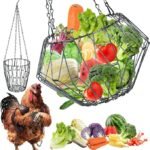
Adult chickens can have small amounts of many fresh, untreated garden scraps, but complete poultry feed should remain their main diet
Good choices: Leafy greens, lettuce, kale, and spinach Peas and sweet corn Cucumber, pumpkin, squash, and zucchini Carrots and broccoli
Small pieces of fruit, such as berries, melon, or apple without seeds
Fresh Water
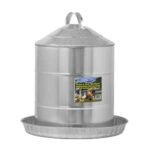
Chickens need clean, fresh water every day, it is essential for digestion, body temperature, growth, and egg production.
Keep water available at all times.Use a clean, stable drinker and refresh it daily.
In hot weather, check it several times a day and keep it shaded.
Chicks need a shallow, chick-safe drinker to prevent drowning.
Never allow water to become muddy, moldy, or frozen.
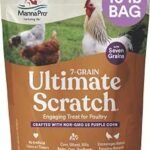
Scratch grains are a treat mix, usually made from cracked corn, wheat, barley, or other grains.
Give only small amounts, about 10% or less of the daily diet.
Scatter it on the ground to encourage natural foraging.
Offer it after
chickens have eaten their complete feed.
Provide fresh water and insoluble poultry grit.
Avoid moldy, damp, or spoiled grain.
Scratch is not a substitute for balanced layer, grower, or chick feed.
Specialty chicken feeds are formulated for different ages, purposes, and health needs:
- Chick starter: High-protein feed for young chicks, usually from hatch to about 6–8 weeks.
- Grower/developer: Supports growth after the starter stage until laying age.
- Layer feed: Higher calcium for hens producing eggs; do not feed it to chicks.
- All-flock feed: Suitable for mixed-age flocks, but laying hens should receive oyster shell separately.
- Broiler feed: Higher-energy feed for meat birds; follow the product’s age and withdrawal guidance.
- Breeder feed: Supports fertility and hatchability in breeding flocks.
- Medicated starter: May help prevent coccidiosis, but use only as directed and check the label.
- Organic or non-GMO feed: Chosen according to farming preferences and certification requirements.
Choose feed based on the birds’ age, purpose, and flock composition. Keep treats and scratch grains to roughly 10% or less of the diet.
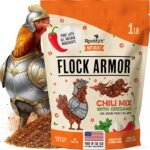
“As an amazon associate, I earn on qualifying purchases”
Better Chow for Happier Hens
Practical chicken-feeding tips, seasonal treats, and coop-friendly recipes for happier, healthier hens.
Feed Smarter