
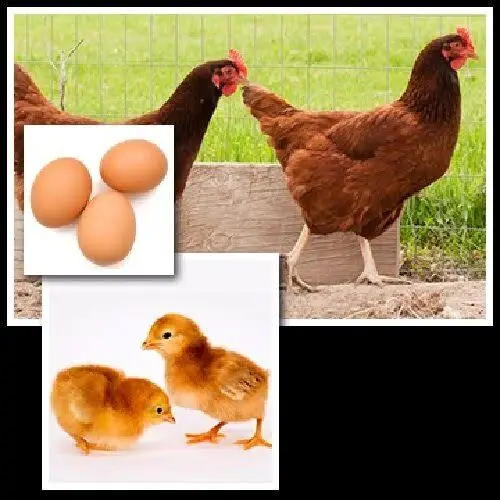
Rhode Island Red
The Rhode Island Red is a hardy, friendly chicken breed known for its rich reddish-brown feathers and excellent egg production. Hens typically lay large brown eggs and adapt well to different climates, making them popular with backyard keepers. They are active, curious, and generally easy to care for, though roosters can sometimes be assertive.
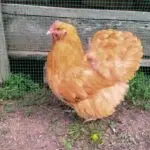
Buff Orpington
Gentle, cold-hardy, and family-friendly.
Temperament: Gentle, friendly, and calm; often a good choice for families.
Appearance: Soft golden-buff feathers, broad body, and a full, rounded shape.
Eggs: Usually lays large brown eggs, often around 3–5 eggs per week
Size: A large, heavy breed; hens c
ommonly weigh about 6–8 pounds.
Climate: Generally cold-hardy, though their dense feathers can make them vulnerable to overheating.
Behavior: Usually peaceful and easy to handle, but may be bullied by more assertive breeds.
Broodiness: Some hens become broody, which can pause egg production.
Best for: Beginners wanting a friendly dual-purpose backyard chicken.
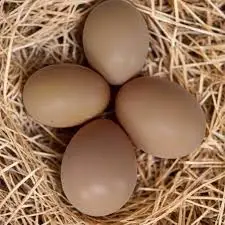
Australorps
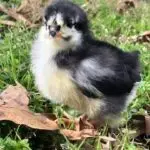
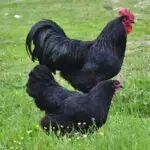
Quiet and productive egg layers.
Australorps are generally:
Calm and gentle, making them good for backyard flocks
Friendly and easy to handle, especially when raised
with regular, gentle contact
Quiet to moderately vocal
Hardy and adaptable in different climates
Good foragers, but usually not overly aggressive
Generally peaceful with flock-mates, though normal pecking-order
behavior can occur
They’re an excellent beginner breed because they
combine a docile temperament
with strong egg production.
Silkies
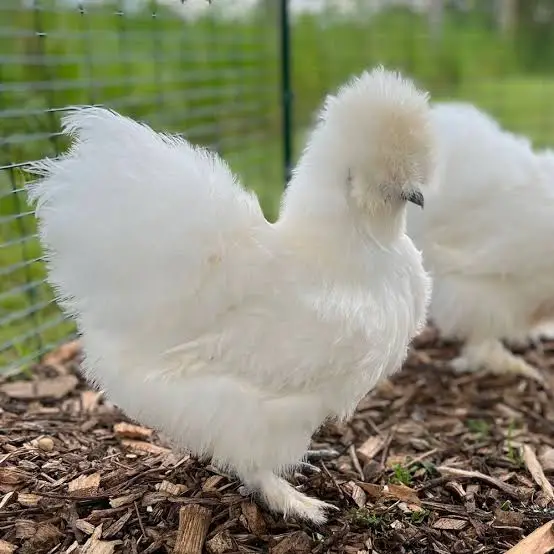
Temperament: Very gentle, friendly, and easy to handle
Appearance: Fluffy, silk-like feathers, dark skin, feathered feet, and a small crest.
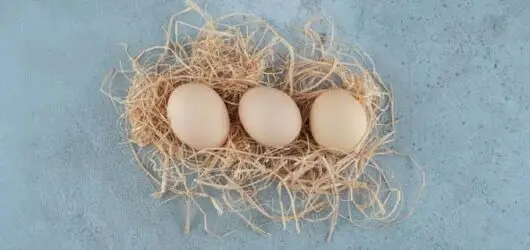
Eggs: Small to medium cream-colored eggs, usually around 2–4 per week.
Size: Small and lightweight, making them suitable for smaller backyard flocks.
Broodiness: Strongly broody; excellent mothers, but they may stop laying while broody.
Flight ability: Poor flyers because of their unusual feather structure.
Climate: Need a dry, sheltered coop because their feathers provide less protection from rain.
Best for: Families, children, and keepers who value personality and appearance more than high egg production.
White Leghorn chickens
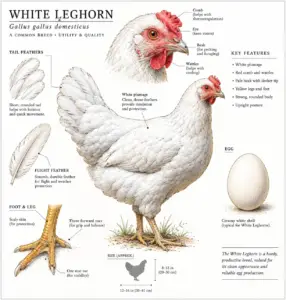
White Leghorns are lightweight, active chickens known mainly for excellent egg production.
Pros
Very high egg production: Often around 280–320 white eggs per year with good care.
Efficient feed use: They produce many eggs while eating relatively little.
Early maturity: Pullets may begin laying at about 4–6 months.
Excellent foragers: Active and effective at finding insects and seeds.
Heat tolerant: Their large comb helps release body heat.
Good for white eggs: They lay many clean, white-shelled eggs.
Cons
Flighty and nervous: They can be difficult to handle and may not be the best choice around small children.
Noisy: Their active, alert nature can lead to frequent calling.
May fly well: Secure fencing and covered runs may be necessary.
Lower broodiness: They rarely sit on eggs, so natural hatching is less reliable
.Cold-weather risk: Large combs and wattles can be vulnerable to frostbite.
High production demands: Laying hens need complete layer feed, calcium, fresh water, and adequate daylight